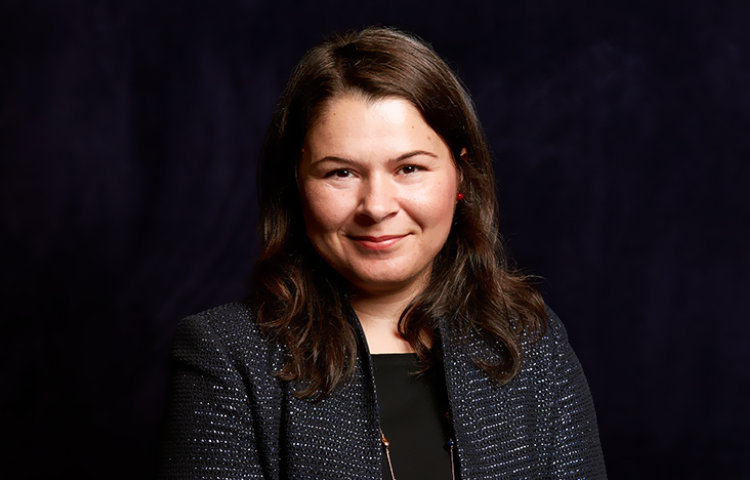
Class of 2026: Arushi Kaulaskar

As Arushi’s six-month placement as Arbitration Policy and Professional Practice Intern at Ciarb draws to a close, we spoke to her about projects she’s been involved with, what she’s learned, and her personal highlights.
What led you to apply for the internship?
I had been working in India for four years, covering a lot of domestic arbitration. I came to the UK to do my Master's in international disputes, and spotted the internship vacancy. After completing my Master’s it seemed a perfect opportunity for me to get some experience in international arbitration. Given Ciarb’s huge global network, I thought I would benefit from building a network here in London, and that's why I applied.
What have been your main responsibilities?
My main responsibility has been to support the production of Ciarb’s Journal and contribute to the editorial process, from start to end. Another has been helping out with ad hoc research. Towards the end of last year, I was doing a lot of research into the developments that happened in 2025 in ADR and the global trends to expect in 2026. I was also helping the delivery of, and attending, events, such as the Alexander Lecture, and identifying speakers for Ciarb’s webinars.
Can you talk about a few projects you were involved in and what you learned?
An ongoing project was to do a preliminary review of articles intended for the Journal. I came across interesting articles on topics that I never would have thought of. The Journal has articles from academicians, and the angle these people bring to topics is different than that of a practitioner. As a practitioner myself, I read so many new things that I wasn't aware of. The articles span different jurisdictions, which developed my knowledge of those jurisdictions. So that was my favorite part.
I also did a lot of research on global trends and key developments, reviewing reports from established organisations, such as the Queen Mary University of London survey. Again, I discovered things I wasn't aware of, such as how regions prefer a particular institution and jurisdiction for their disputes, how regions approach disputes differently, and the cultural differences in parties to arbitration proceedings. I read about jurisdictions that I wouldn’t necessarily have sought out – Syria and China, and their strategies on dispute resolution, for example – and it was interesting.
What are your personal highlights?
The amount of research and the deep dive that I've taken on different aspects of ADR – just reading about the laws, rules and practice has been a highlight, alongside getting to attend so many events, including the first ever edition of London Arbitration Week, especially ‘GAR Live: Women in Arbitration’. This was a full-day event involving sessions on different areas of arbitration and how to build a career in arbitration. It covered a range of topics, and I got to interact with leading professionals in the field and learn about their experiences, which was inspiring and insightful.
Would you recommend this internship to other potential candidates?
Yes. The internship vacancy was quite clear that I wouldn’t be able to participate in any arbitrations, but that I would do a lot of research and network building. I definitely got that.
I'm a practising advocate, and I’ve learned that practitioners and policy makers may approach things differently. I got to witness the policy side of arbitration, and that has placed me in a better situation in the UK market. If someone is interested purely in policy making, this is definitely the best place for them. But even if you’re a practicing advocate, while the internship will not directly give you exposure to how disputes happen, it will help you develop knowledge of arbitration frameworks and build an understanding of how policy decisions and discussions take place, as well as grow your network.
For potential candidates, this internship will be an in-depth dive into things, and you will understand these things from new perspectives. So I would recommend this internship to anyone interested in international arbitration, and especially to anyone interested in contributing to the policy development side of arbitration.
What are you planning to do next?
I’m awaiting the results of my Solicitors Qualifying Examination (SQE). By March, I should know. As I qualified as a lawyer abroad, I was exempt from the next two steps that I’d need to take to qualify as a solicitor. If I pass my SQE, I’ll be getting my solicitor’s license in a month or two.
Is there anything else you’d like to add?
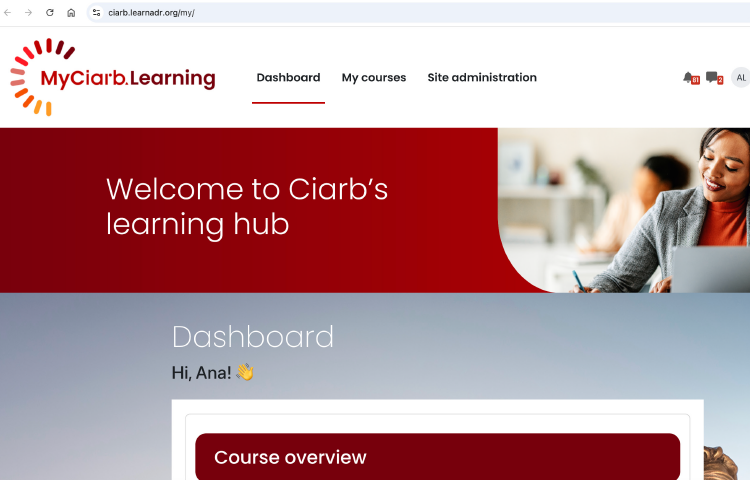
Yes. As a Ciarb student member myself, I’d want to remind other interns who are also student members that there are great-value Ciarb courses available which can help in your career development. I’m currently enrolled on this course. Don’t miss out on these opportunities!