

Ciarb's 2027
Diploma in International Maritime Arbitration (Virtual)
Gain the skills you need to excel as a maritime arbitrator on the international stage and attain Ciarb Fellowship
Delivered virtually, this Diploma will:
- Give you the skills to navigate complex international maritime disputes across multiple jurisdictions.
- Unlock opportunities for you as an arbitrator in a field that has many disputes.
- Make you eligible to become a Ciarb Fellow (FCIArb).
- Make you eligible to join Ciarb’s and other global panels.
- Allow you to learn at your own pace in your own environment.
Meet the Diploma’s Director, George Lambrou FCIArb

George is an international dispute resolution specialist experienced in resolving multi-jurisdictional disputes. A partner in a leading London shipping law firm, George has a strong maritime background. He is a Solicitor Advocate in England and Wales, and an arbitrator and negotiator. Throughout his career, George has acted for and against governments, commercial entities and individuals globally.
What our 2026 candidates say
|
However, the other 20% was invaluable in helping me to move toward my goal of becoming a maritime arbitrator. I would recommend this diploma not just to anyone thinking of becoming a maritime arbitrator, but to anyone who is involved at any level in maritime disputes.” Martin Barker |
 "As someone with almost 40 years' experience in the maritime construction industry, the last 15 years of which have been in dispute resolution, including advocating and providing expert witness reports in arbitrations, I considered that I would probably know much of what this diploma teaches. This probably follows the 80/20 rule, in that I probably already knew around 80% of its content, although it is always good to refresh.
|
It has significantly enhanced my understanding of maritime practice and provided valuable insights that I can apply in my professional work. I would highly recommend it to anyone seeking to develop a strong and well-rounded foundation in the maritime sector.” Nooshin Rahmani |
 "I thoroughly enjoyed this diploma. The programme was exceptionally comprehensive and provided an in-depth understanding of the key legal, commercial and operational aspects of the maritime industry. It was well structured, highly informative, and delivered by knowledgeable instructors who combined practical experience with academic excellence.
 |
Jagmeet Makkar MCIArb |
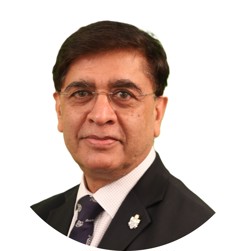 "It has been an absolute privilege to learn under the leadership of George Lambrou FCIArb, whose expertise is matched only by the dedication and talent of his highly qualified faculty. To sit (virtually) in a classroom with such distinguished minds, dissecting the nuances of maritime arbitration, has been a deeply enriching experience. For this, I am profoundly grateful
Frequently Asked Questions
Who is the Diploma for?
Who is the Diploma for?
This Diploma is suitable for individuals who are actively involved in or have experience of domestic or international arbitration, or who have at least five years’ experience in a related profession, including shipping-related professions. Candidates must also have a high standard of English.
What will I learn?
What will I learn?
You will learn the law, practice and procedural elements of international maritime arbitration, as practiced in commonly used maritime centres. You will learn how to analyse submissions, arrive at a conclusion, and write a reasoned and enforceable arbitration award.
What qualification will I gain?
What qualification will I gain?
Once you have successfully completed the Diploma assessments, you will gain a Diploma in International Maritime Arbitration (Virtual) certificate, and you can apply to become a Ciarb Fellow (FCIArb).
How is it delivered?
How is it delivered?
The Diploma is delivered online via Ciarb’s learning platform, MyCiarb Learning. It will combine lectures with interactive seminars and workshops.
When is the Diploma?
When is the Diploma?
The Diploma will run in 2027 – exact dates are yet to be announced. If you're interested in completing this Diploma in 2027, sign up to be notified when applications open.
What does the Diploma cost?
What does the Diploma cost?
Costs for the 2027 Diploma are not yet available. If you’re interested in completing this Diploma in 2027, sign up to be notified when applications open. When we email you to inform you that you can apply, we’ll provide details of costs and any potential discounts.
When will applications open for the 2027 Diploma?
When will applications open for the 2027 Diploma?
The application window is not yet confirmed. If you’re interested in completing this Diploma in 2027, sign up to be notified when applications open.
Explore Ciarb’s other Diplomas